Repetition, Practice, and Developing Style

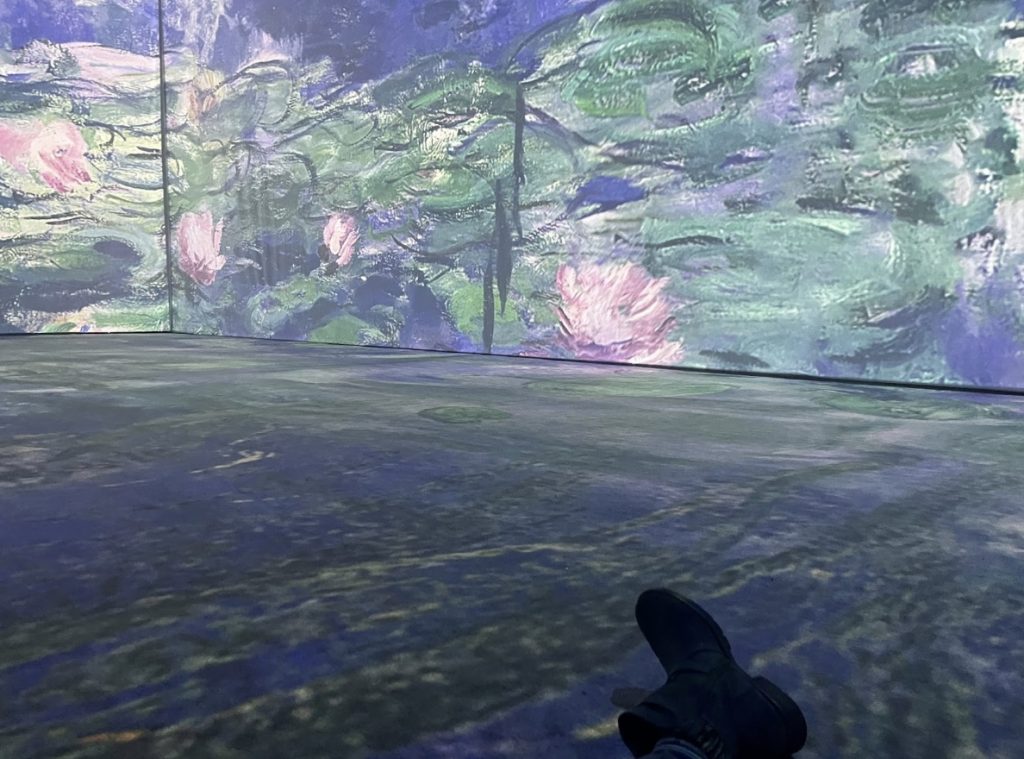
Just before Christmas, I took my family to the Beyond Monet interactive experience in Edinburgh, which was just lovely! As I lay on pillows, mesmerised by his many paintings projected onto the wall, one thing struck me — Monet painted the same subjects again and again.
Haystacks.
Water lilies.
The same bridge.
The same pond.
At first, it’s almost surprising. Why, after one or even two successful paintings of a subject did he return to the same scenes so many times? Surely once would be enough?
Then a thought occurred to me: Monet wasn’t repeating himself because he’d run out of ideas. He loved the process of painting and with each one he was learning.
Why Repetition Matters in Art Practice
When we’re developing our art skills, repetition often gets a bad reputation. We worry about being stuck, about making the same thing over and over, or about not being “original” enough.
But repetition isn’t stagnation — it’s refinement.
Monet’s haystacks weren’t identical copies. Each painting explored something slightly different:
- light at different times of day
- changing seasons
- subtle shifts in colour
- atmosphere and mood
By returning to the same subject, Monet removed the pressure of what to paint and focused instead on how to paint.
That’s where real growth happens.
Finding Your Art Style Comes From Practice
One of the most common questions artists ask is: “How do I find my art style?”
And the honest answer is this — your art style isn’t something you decide. It’s something that emerges through consistent practice.
When you draw or paint the same subject repeatedly, patterns start to show up naturally:
- the marks you gravitate towards
- how you simplify shapes
- the colours you instinctively choose
- how much detail feels “right” to you
You don’t have to force these choices. They reveal themselves over time, through repetition and observation.
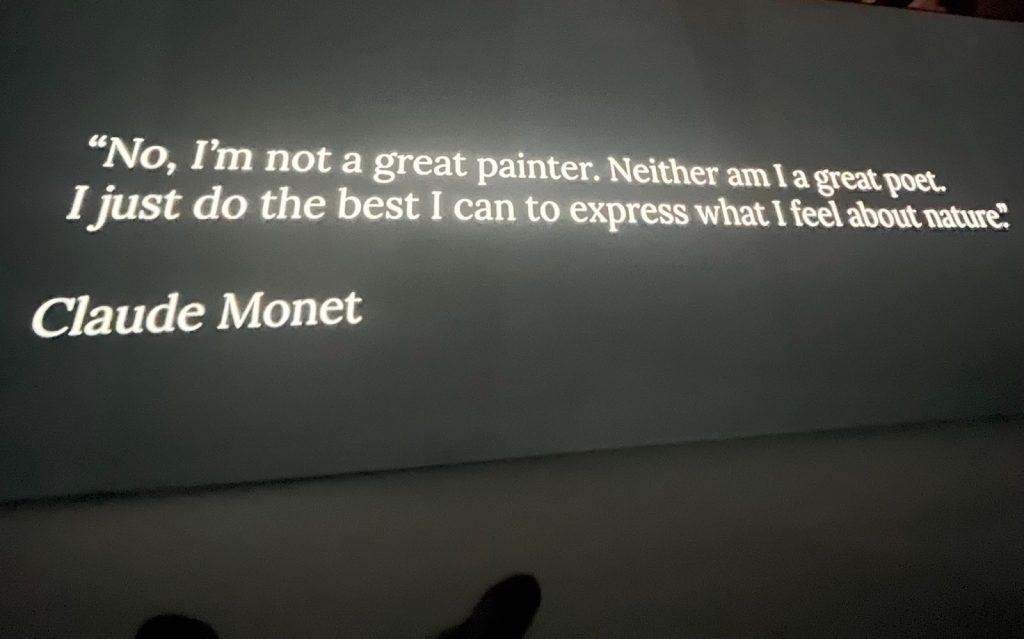
Monet didn’t sit down one day and decide to invent the Impressionism. He pursued the capture of light and moments in time, and kept painting and in doing so, his style developed.
Repetition Builds Confidence (Quietly)
There’s also something deeply reassuring about working with familiar subjects.
When you’ve drawn the same object ten times, the fear around it softens. Your hand knows where to go. You’re more willing to experiment because you’re not overwhelmed by everything being new at once.
This kind of confidence doesn’t come from talent.
It comes from familiarity — and familiarity comes from practice.
When Repetition Feels “Too Easy”
Many artists abandon repetition just as it starts to work. If something feels comfortable, we assume we should move on.
But comfort doesn’t mean you’ve stopped learning. It often means you’ve created enough safety to start noticing subtleties — and that’s where depth develops.
Repetition allows you to explore nuance, not just novelty.
ACT – A Simple Exercise to Try
If you’re feeling stuck or unsure about your direction, try this:
The Repetition Exercise
- Choose one simple subject (an object on your desk, a plant, a photo, or a familiar scene).
- Draw or paint it five times over the course of a week.
- Change just one thing each time — medium, scale, lighting, time limit, or level of detail.
- At the end, look at all five pieces together and ask:
- What stayed the same?
- What changed naturally?
- What did I enjoy most?
Those answers are clues. That’s your style quietly taking shape.
Ponder – Monet’s Lesson
Standing inside Monet’s world, surrounded by his repeated studies, I was reminded that becoming an artist isn’t about constantly chasing new ideas. It’s about staying curious with what’s already in front of you.
Repetition isn’t a sign you’re doing it wrong.
More often, it’s a sign you’re on the right track.
So if you find yourself returning to the same subjects, themes, or ideas — keep going. You might be closer to your voice than you think.