Learning to Paint: Why Making a Mess is the Best Start
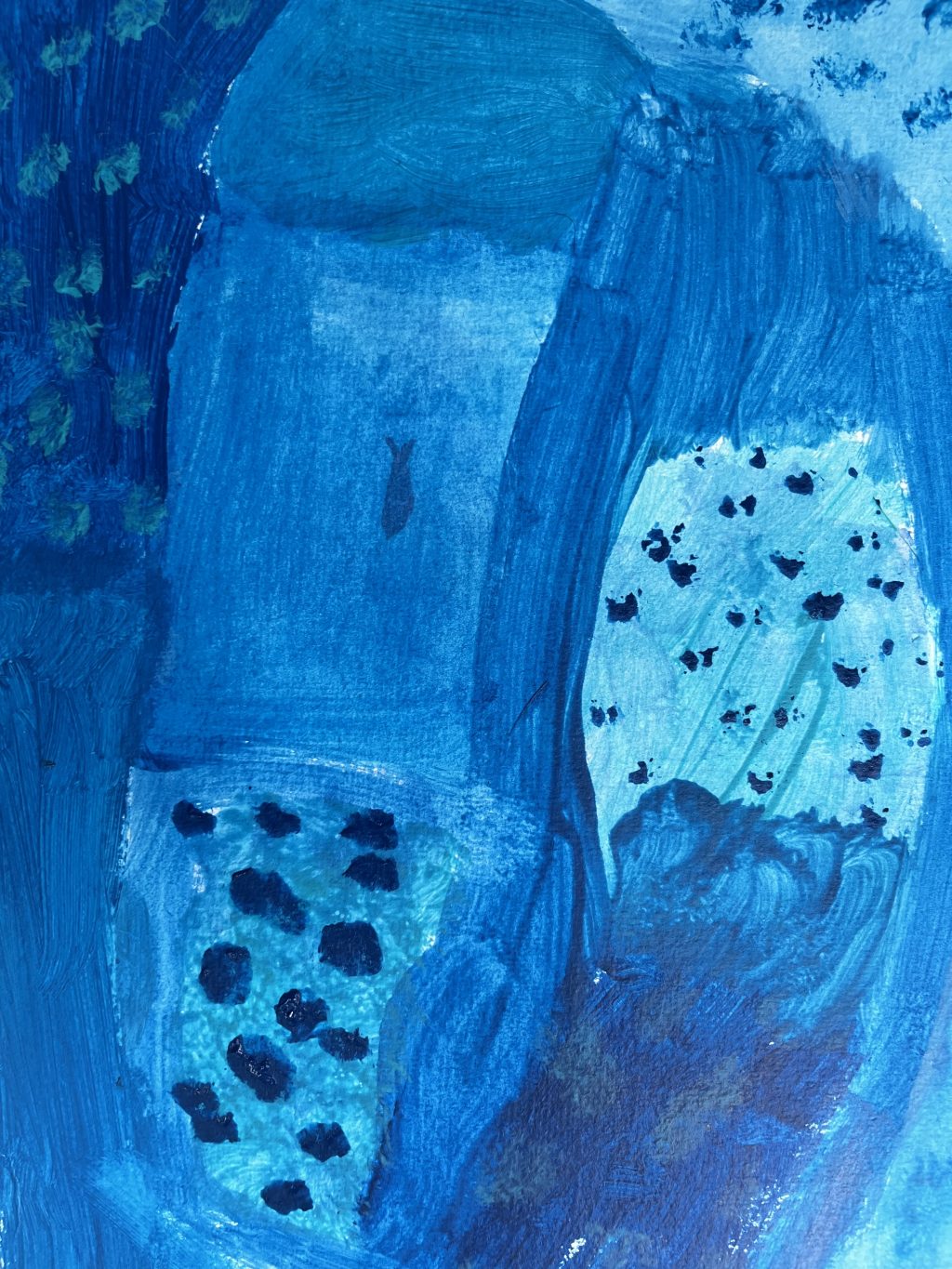
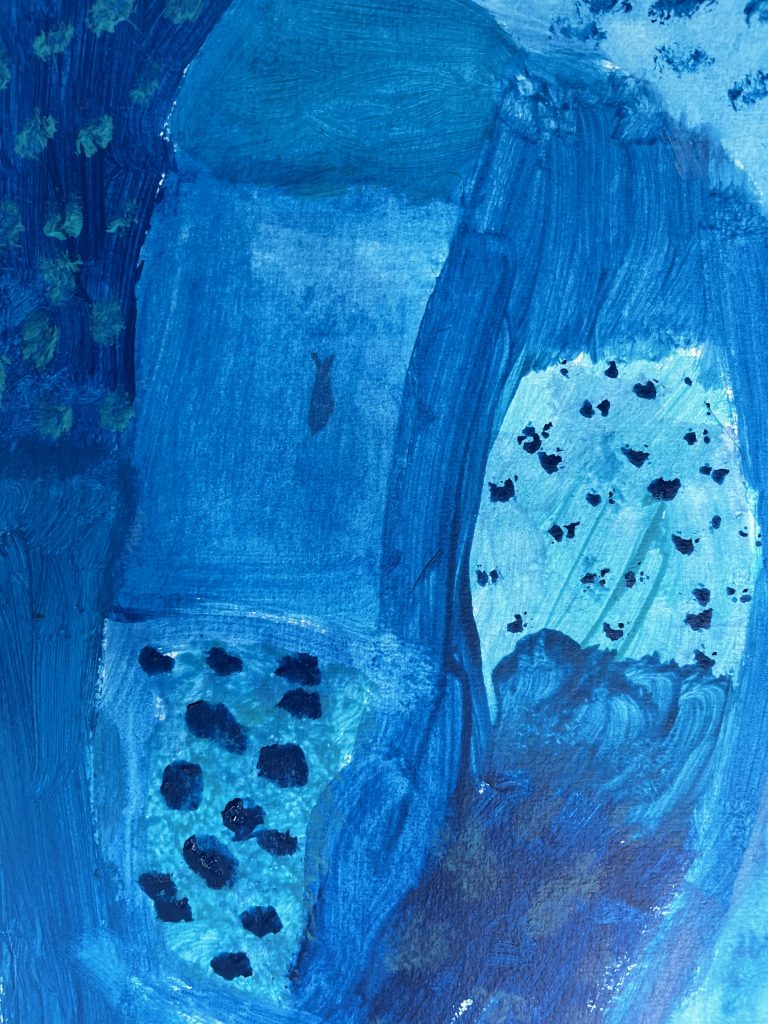
If you are learning to paint, one of the most valuable things you can do is give yourself permission to make a mess. It sounds counterintuitive — but the mess is where the magic begins.
From Pencil to Paintbrush: Why the Transition Feels Hard
When we are children, we spend years learning to use a pencil or pen through daily practice. Holding a pencil to draw becomes second nature — a deeply familiar, almost unconscious process. But when we first begin learning to paint, holding a paintbrush can feel like starting from scratch.
I recently watched my six-year-old daughter completely lost in her own world of painting. She had no agenda, nothing to copy, and no end result in mind. What she produced could easily be described as abstract art — a joyful series of patterns, splodges, and expressive marks made as she moved the brush in different directions with varying pressure. It was uninhibited, free, and entirely her own.
Then came a school project: paint a rock pool.
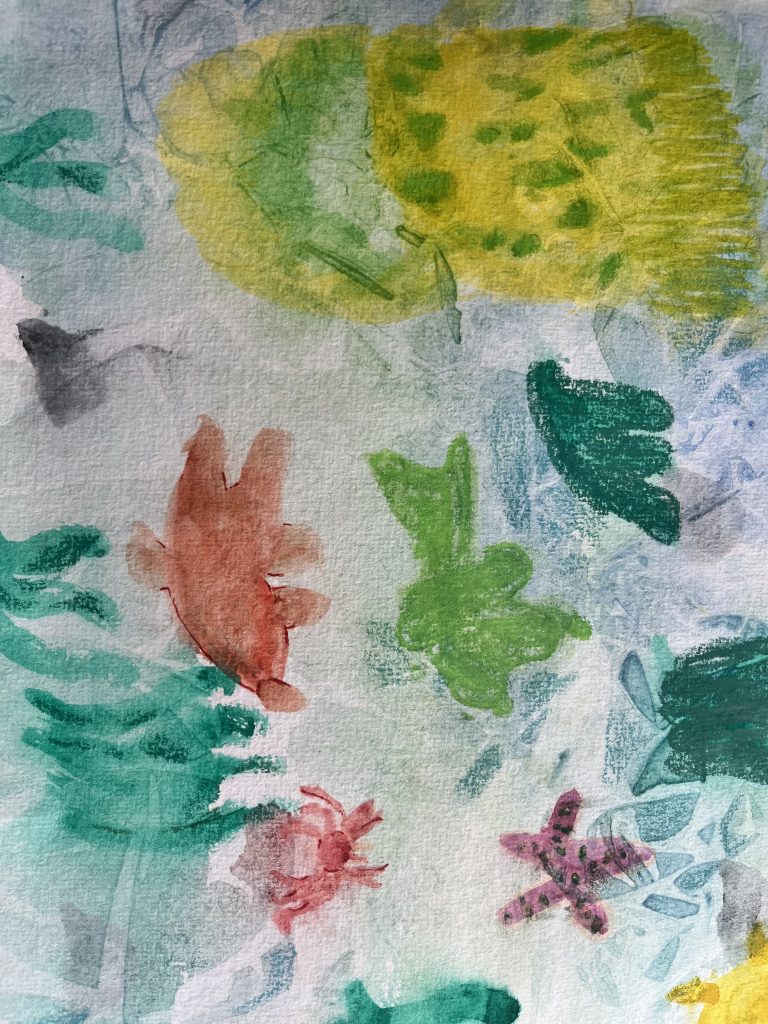
She decided that this rock pool needed some sea-life. Almost immediately, something shifted. Her hand moved further down the brush, closer to the bristles, as she attempted to use it like a pencil — the only technique she truly knows when drawing something recognisable. When the result didn’t look the way she’d hoped, she felt that familiar sting of disappointment that so many beginner artists experience when learning to paint.
The Disconnect Every Beginner Artist Faces
What I witnessed in that moment is a disconnect that many people face when they start learning to paint. In her mind, the loose, expressive movement she uses for abstract marks exists in a completely separate world from the controlled precision needed to paint a recognisable subject. She doesn’t yet realise that these two things are deeply — and beautifully — connected.
What she will discover in time is that the very marks she makes when “messing around” can be directly applied to painting real subjects:
- A pointed brush used to print repeated marks can produce results that look remarkably like flower petals or leaves.
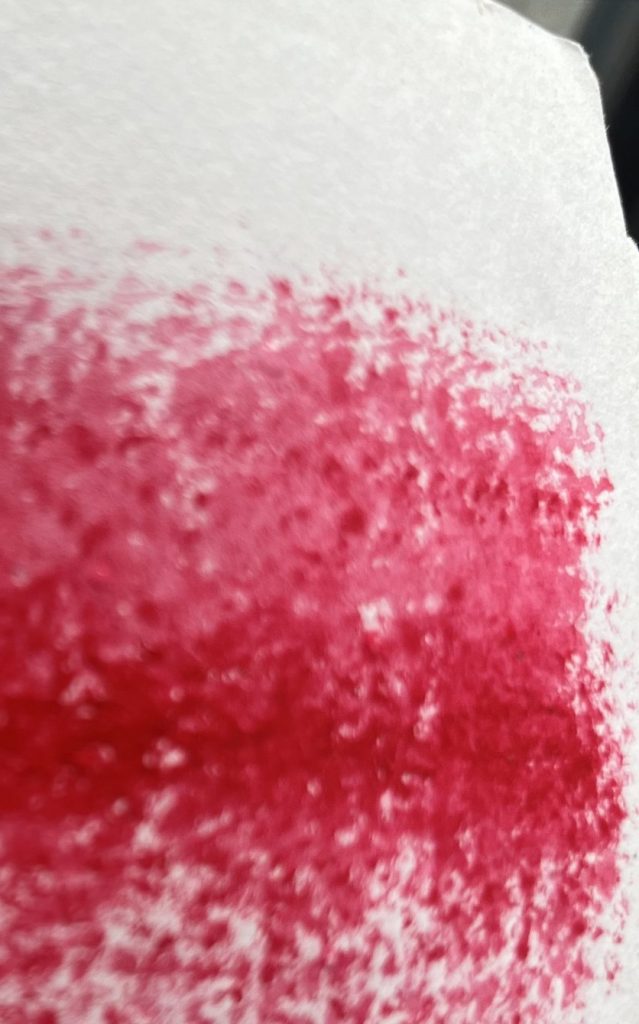
- Stippling with a bristly brush can beautifully suggest the texture of a cloud formation or a grassy hillside.
- Loose, sweeping strokes that feel abstract in isolation become the foundation of water, fabric, and sky.
The freedom and the technique are not opposites — they are the same language, simply spoken in different contexts.
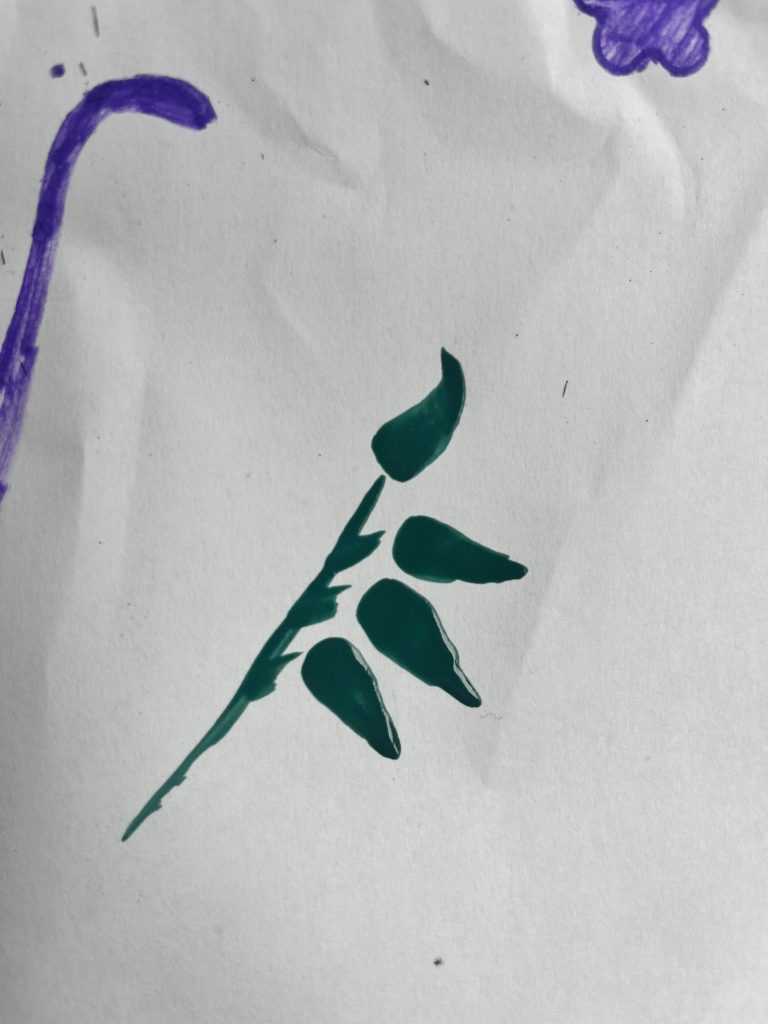
Why Trial and Error is the Best Way to Learn to Paint
If she continues with a trial-and-error approach and allows herself to make a mess on the paper, surprising and wonderful results will begin to emerge. That’s not a happy accident — it’s how artistic instinct develops. It’s how every painter, at every level, grows.
This is something I explore in depth in my online course, Introduction to Drawing — in particular, the ways to experiment with holding your pencil or brush differently from how you hold it when you write, and how that simple shift, practised consistently over time, will genuinely elevate your work.
Be Patient With Yourself
Just as learning a new musical instrument requires building an entirely new set of physical skills and muscle memory, so does learning to paint. There are no shortcuts — and that is actually a good thing.
The stumbling, the reworking, the unexpected results — they are all part of the process. Every artist you admire has worked through that exact same discomfort. So lean into the mess. Embrace the experiment. Trust that the results will come.
Most importantly — have fun.
Ready to begin your creative journey? My online course, Introduction to Drawing, walks you through the foundational techniques that will help you build confidence with both pencil and brush. [Join the course here.]
abstract painting art for beginners art practice beginner art tips brush control children and art creative freedom how to paint introduction to drawing learning to paint mixed media online art course overcoming creative blocks paintbrush techniques painting for beginners painting skills painting tips stippling technique watercolour techniques