Paper, Paper, Paper! – A Beginner’s Guide to Choosing the Best Art Paper for Drawing or Painting
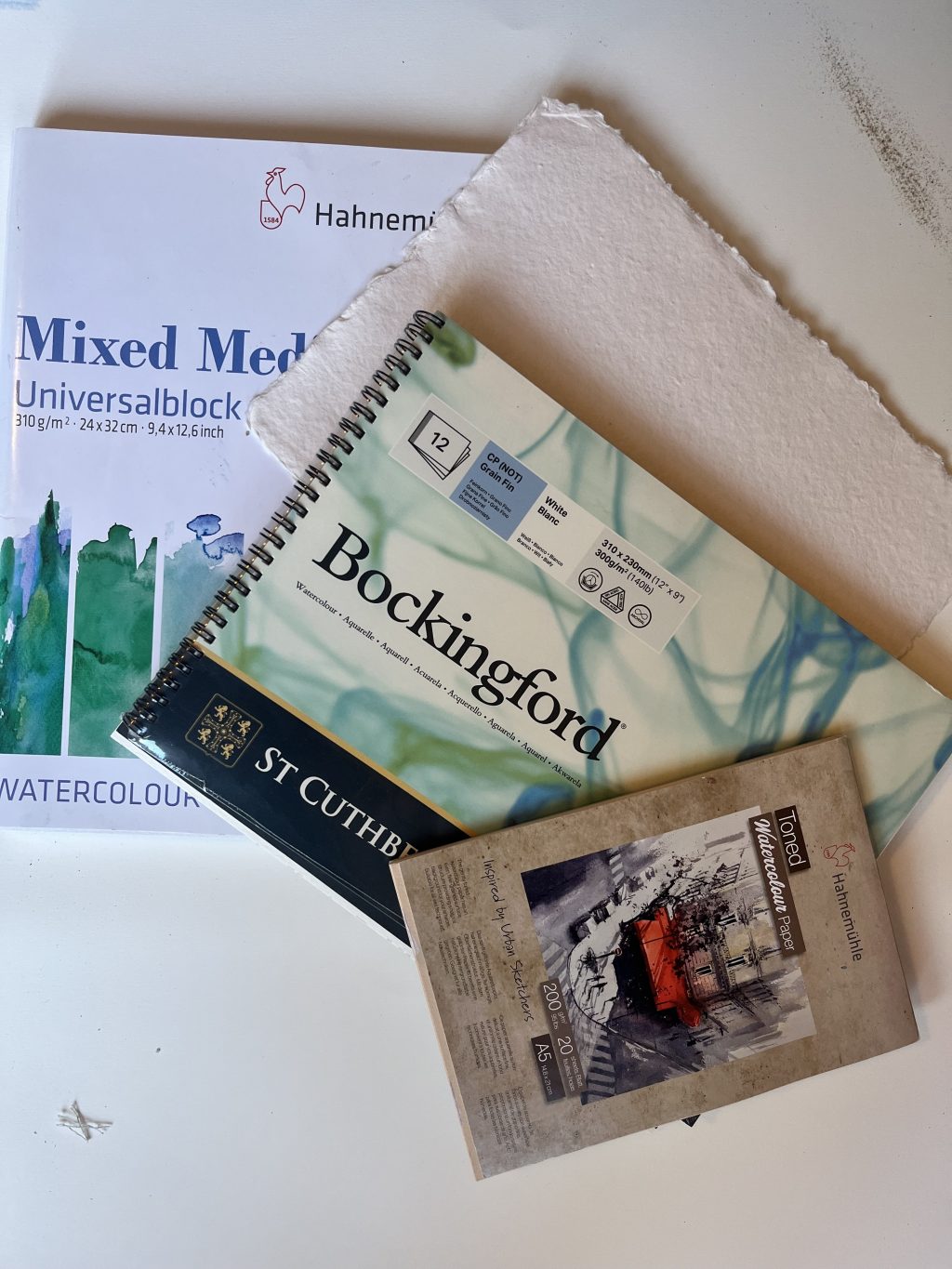
Now then, if you’ve spent any time wandering around an art supply shop — or, let’s be honest, disappearing down an online rabbit hole at midnight, then you’ll know that choosing the best art paper for drawing or painting can feel a little overwhelming. There are so many options, and if you’re just starting out, it can be tricky to know where to begin.
Whether you are looking for watercolour paper, drawing paper or surfaces to paint acrylics, this guide should help you navigate the confusion. The surface you draw or paint on really does make a difference to the outcome of your work. So let’s break it down together, shall we? ☕
1. Cartridge Paper — The Everyday Hero
Cartridge paper is probably the paper you’ve used most without even thinking about it. It’s the classic, reliable, go-to paper for drawing and sketching, and it’s wonderfully versatile.
What is it made of? wood pulp is typically used to make cartridge paper. It’s a smooth, sturdy paper with a slightly textured surface, meaning it has enough to grip pencil marks but not so much that it gets in the way.
What’s it good for?
- Pencil and graphite drawing
- Pen and ink work
- Coloured pencils and pastels
Cartridge paper usually comes in weights ranging from 90gsm to 220gsm. For everyday sketching, something around 90–120gsm is perfectly fine. If you want to do a bit more with it, going heavier (160gsm+) gives you more durability.
It’s an affordable, accessible paper, which makes it perfect for practising and experimenting freely without any precious-paper anxiety! 😄
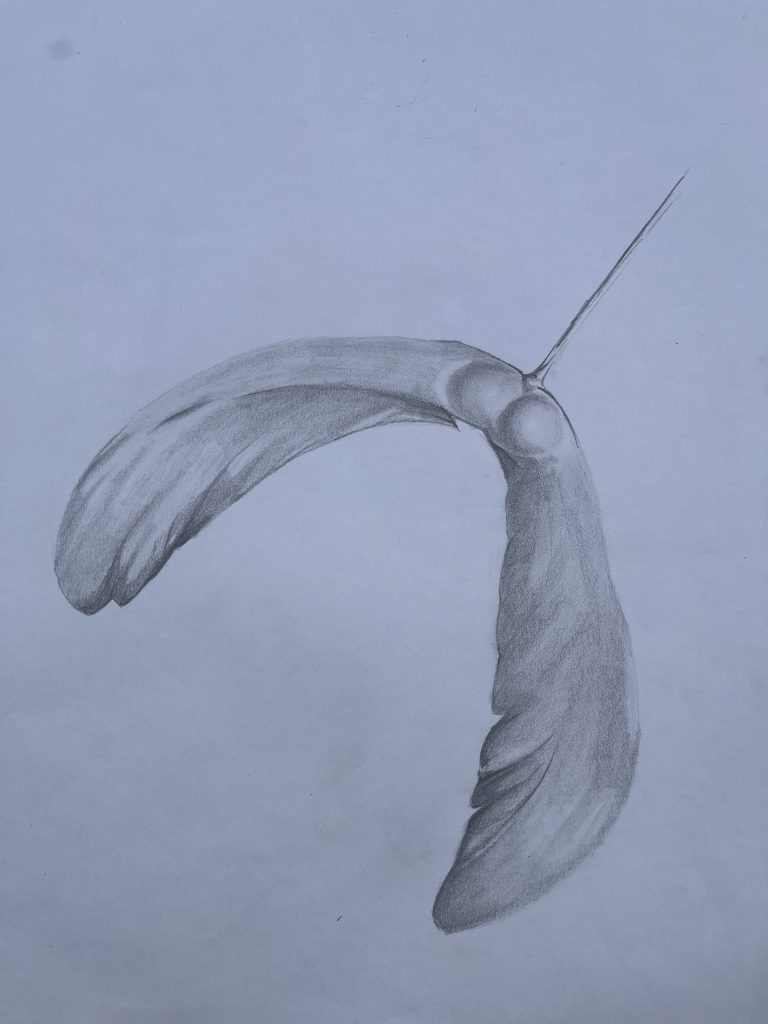
2. Watercolour Paper — The Must-Have for Watercolour Paint
If watercolour painting is for you, then I thoroughly recommend a good watercolour paper. You’ll find paper in most stores labelled ‘suitable for mixed media projects’, which includes watercolour. This is fine if you are just trying out some small watercolour sketches, or experimenting with different mediums. However once you start using a good quality watercolour paper, you’ll never want to go back. But even within watercolour paper, there’s a lot of choice, and this is where things get really interesting.
What is it made of? Good quality watercolour paper is traditionally made from 100% cotton (sometimes called rag paper). Cotton fibre creates a paper that can absorb and hold water without disintegrating, and it gives you the most beautiful paint handling. You’ll also find papers made from wood pulp, which are more budget-friendly and still perfectly usable, especially when you’re starting out. Look for acid-free papers to make sure your work stands the test of time.
Watercolour paper comes in a range of weights, most commonly 190gsm, 300gsm, and 640gsm. The heavier the paper, the less it will buckle when wet — 300gsm is a great all-rounder.
Now, here’s where the fun begins: watercolour paper comes in three main surface types.
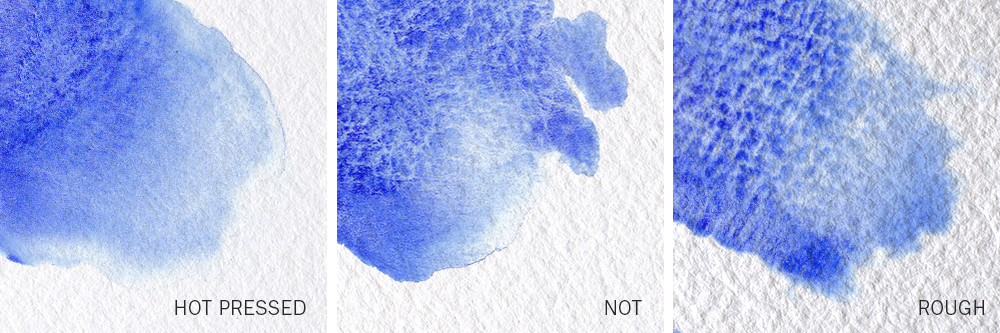
Hot Pressed (HP) — Smooth and Silky ✨
Manufacturers pass hot pressed paper through hot metal rollers, creating a very smooth, almost silky surface. This leaves little to no texture (or “tooth”), so paint glides across it with ease.
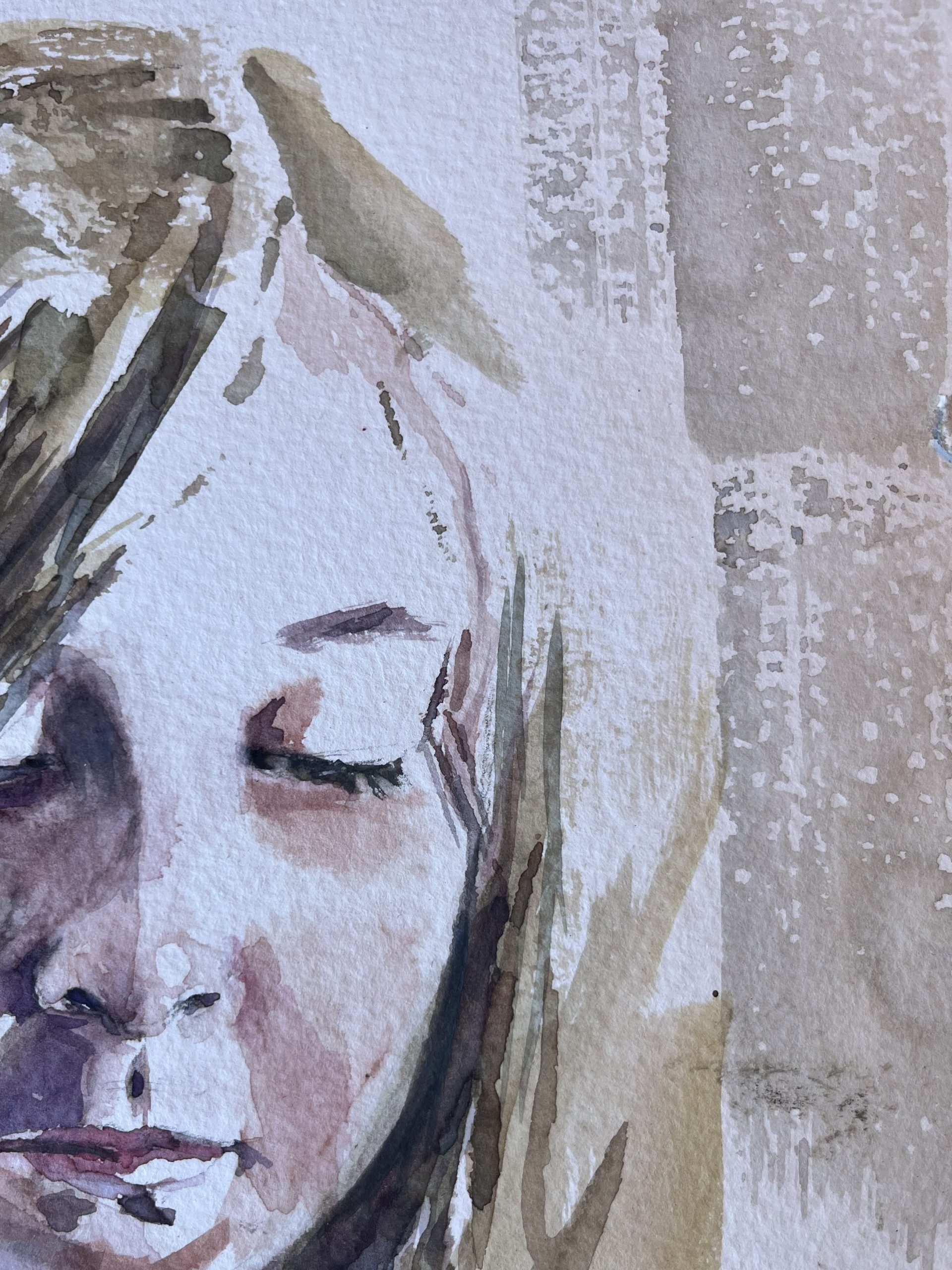
I have been loving hot pressed paper lately, and let me tell you why — the effects you can achieve are just gorgeous. Because the surface is so smooth, watercolour pigments have less to grip onto, which means the colours run and bleed together in lovely, unpredictable ways. You, therefore, get soft, dreamy blooms of colour, luminous washes, and stunning colour merges that you simply can’t replicate on rougher paper. It feels a little like the paint has a life of its own!
Hot pressed paper is also wonderful for use with water-soluble pencils. I have been using these recently in my classes and students agree. The smooth surface allows the pencil marks to sit crisp and clean, and when you introduce water, the pigment dissolves and flows beautifully across the page. It gives you the best of both worlds — precision and painterly softness. I do love it. 😍
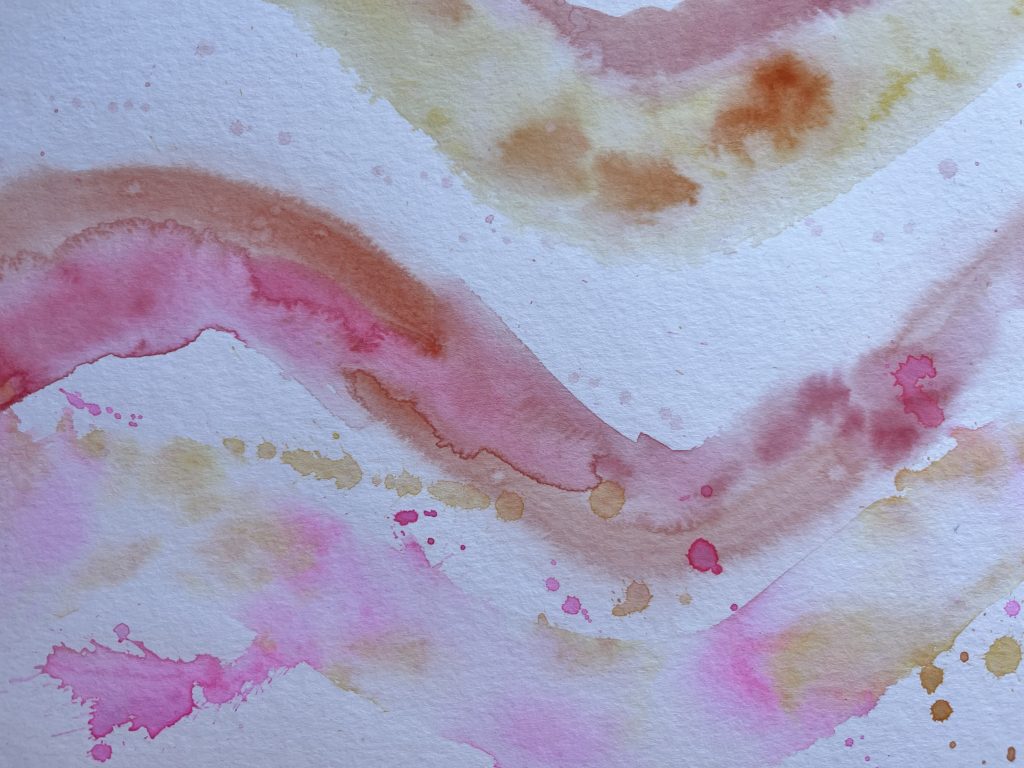
Cold Pressed (CP)/ NOT paper — The Classic Choice
Cold pressed paper (sometimes called “NOT” paper — meaning “not hot pressed”) has a gentle texture or tooth to its surface. It’s made by pressing the paper through cold rollers, leaving a slight roughness that many artists find easier to work with.
The texture of cold pressed paper means the paint is held in place more as it dries, which gives you more control over where your colours go. There’s less bleeding and running, which many artists prefer — particularly those who love crisp edges and more defined marks. So, if you’re someone who likes to feel in control of your watercolour (rather than letting it surprise you!), then cold pressed is probably your friend.
It’s widely considered the most popular surface choice for water-colourists, and for good reason — it strikes a lovely balance between texture and smoothness, handling both fine detail and loose washes with ease.
Rough — For the Bold and Textured
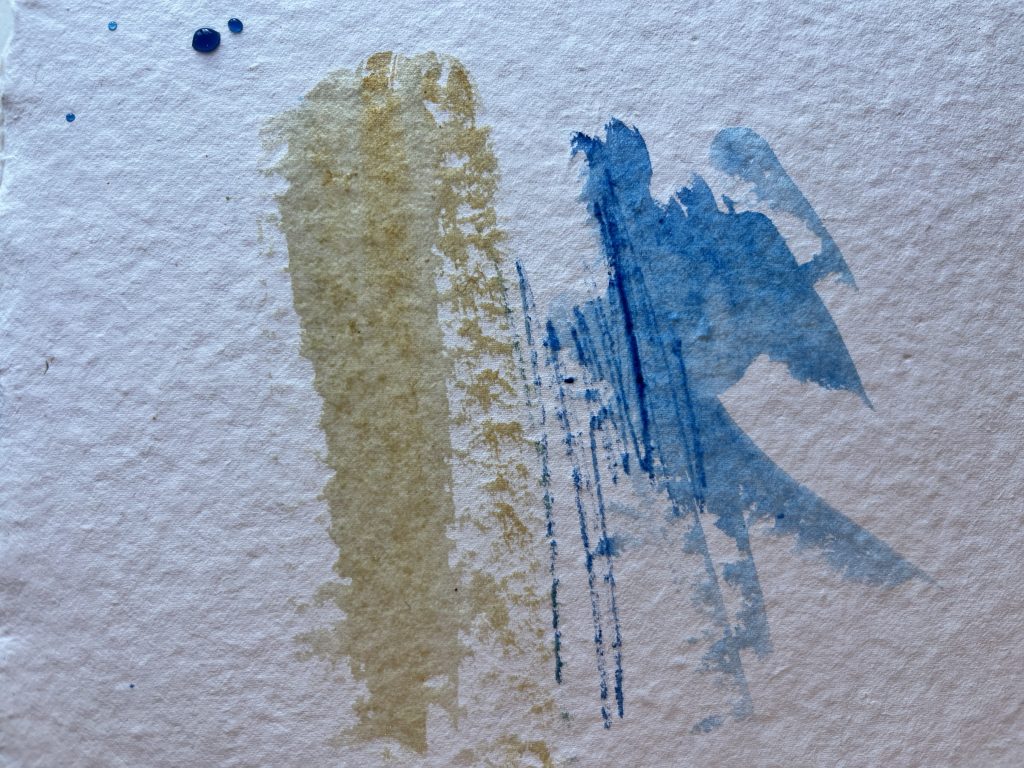
Rough watercolour paper is exactly what it sounds like — a heavily textured surface with plenty of tooth. The pigment settles into the dips and grooves of the paper, leaving some areas lighter where the paint skips over the surface. This creates a wonderfully granulated, rustic quality — perfect for landscapes, seascapes, or any work where texture itself becomes part of the image.
3. Surfaces for Acrylic Painting
Acrylic paint is wonderfully adaptable, and one of its great joys is that it will happily work on a wide variety of surfaces. Here are some of the most common:
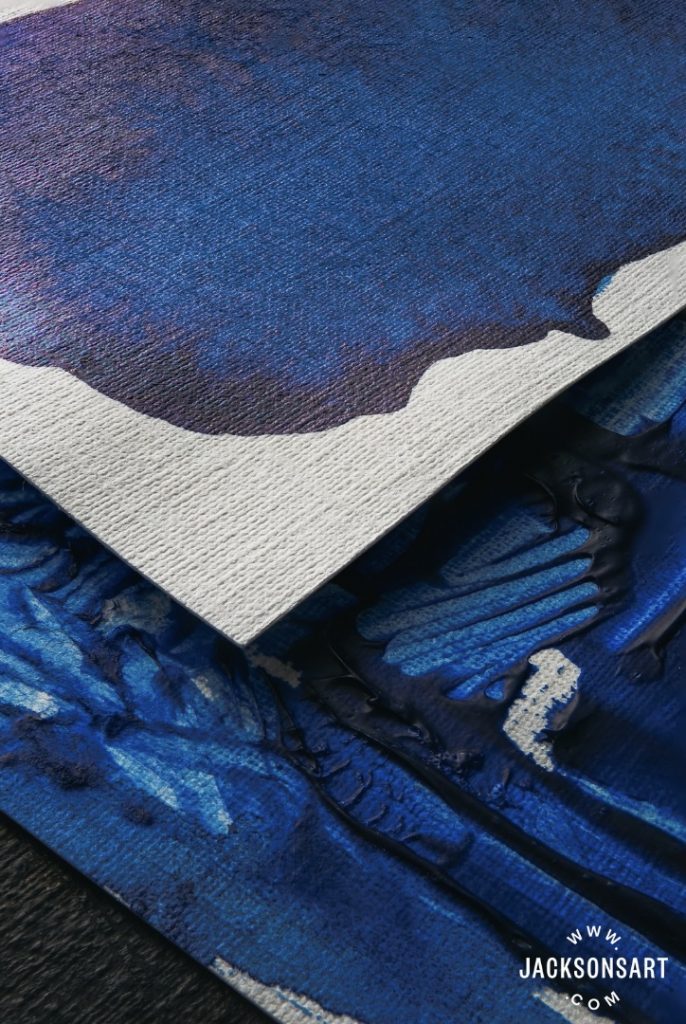
Acrylic paper is a thick paper made from wood pulp. The heavy duty quality of the paper means it can withstand the weight of layers of acrylic paint and water, without buckling. Acrylic paper can be smooth, similar to cold pressed watercolour paper, or textured to replicate the weave of a canvas. The textured surfaces mean the paint has something to adhere to.
Mixed Media Paper and Pads are specifically designed to handle a variety of wet media including acrylics, and are a great choice if you like to combine different techniques in one piece.
Canvas is probably the first surface that springs to mind for acrylic painting. Whether you use stretched canvas, canvas boards, or canvas pads, it’s a firm favourite. Canvas has a lovely texture that grips the paint, and it’s light and easy to work with. Most canvases are pre-primed with gesso, so you can start painting straight away.
Canvas Boards are a more affordable alternative to stretched canvas — great for practice pieces or for building up a collection of smaller studies.
Watercolour Paper (particularly heavier weights of 300gsm+) can also be used with acrylics, especially if you enjoy working with thinner, more fluid paint. The paper holds the paint well, and you can even use watercolour-style wet techniques with fluid acrylics.
Cardboard and Card — don’t underestimate these! With a coat or two of gesso to prime the surface, thick card or mounting board makes a perfectly usable (and very affordable) surface for acrylics.
Wood Panels are a firm favourite with many artists. MDF or birch ply, primed with gesso, gives a wonderfully rigid, smooth surface. Paint handles beautifully on wood, and the finished piece has a lovely solidity to it.
One important thing to remember with acrylics: whatever surface you use, if it isn’t pre-primed, give it a coat of gesso first. Gesso seals the surface and gives the paint something to grip onto. 🎨
In Summary
So, to bring it all together:
- Cartridge paper — wood pulp based, smooth surface, ideal for drawing and dry media.
- Watercolour paper — cotton or wood pulp, available in hot pressed (smooth, great for blooms and water-soluble pencils), cold pressed (textured, more control), and rough (highly textured, bold effects).
- Acrylic surfaces — canvas, canvas board, heavy watercolour paper, card (with gesso), wood panels, and mixed media paper.
My personal recommendation? Don’t be afraid to experiment! Trying different papers is half the joy of being an artist. Pick up a small pad of hot pressed watercolour paper and see what happens when you let those colours run — It might just change the way you paint. 🌊
Happy creating, and may your paper always be the perfect match for your medium!
Recommendations:
Paper Brands to Look Out For:
- Fabriano Artistico (cotton, available in HP, CP and rough)
- Arches Watercolour Paper (cotton, a classic choice)
- Bockingford (wood pulp, great for colour-lifting properties which many watercolour papers don’t have)
- Strathmore 400 Series (good all-rounder)
Suppliers:
- Jacksons Art – www.jacksonsart.com
- Ken Bromley Art Supplies (UK) — www.artsupplies.co.uk
- Blick Art Supplies (US) – www.dickblick.com